Inspiration4 min
The stages of buying an off-plan home and the advantages that come with it
As the years go by, the property market keeps developing and maturing for the benefit of buyers. You are probably already familiar with buying a home off-plan, but if you want to know what the process involves, what the advantages are and what the possible risks may be, keep reading, because we will go through them all step by step.
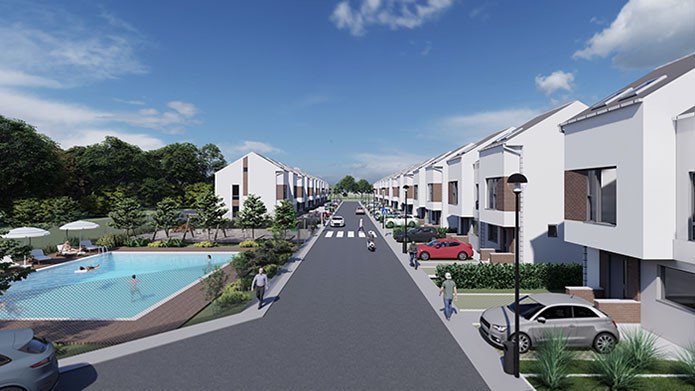
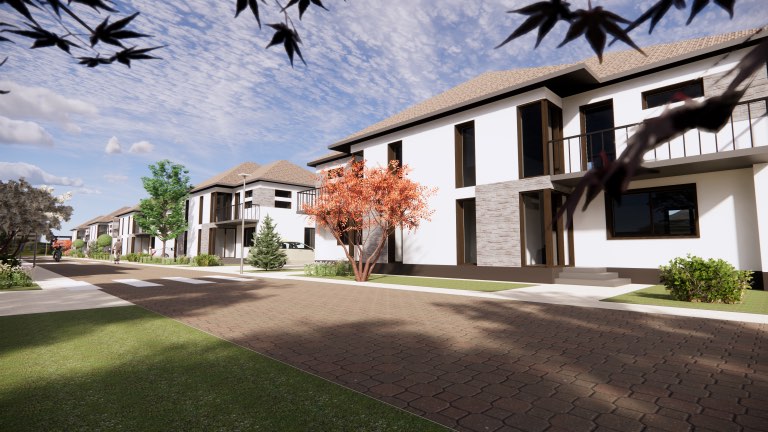
An off-plan home is one that, before you buy it, you can only see on the architect's drawings or in scale models. The developer has the project well prepared and is ready to start building, and opens sales at the very earliest stage. Wondering why? This does not happen in every case, but some developers have a strategy of personalising the home, where representative elements of the future house are chosen by the future owners. Since these cases are quite common, they should not raise doubts about the developer's reliability, although that is an important thing we recommend you check whenever you seriously intend to buy a new home for yourself and your family.
Why buy a home off-plan? As you would expect, prices are lower at this stage. The developer knows you do not yet have any tangible proof of your future home, so it gives a fairly significant discount on purchases contracted at this point.
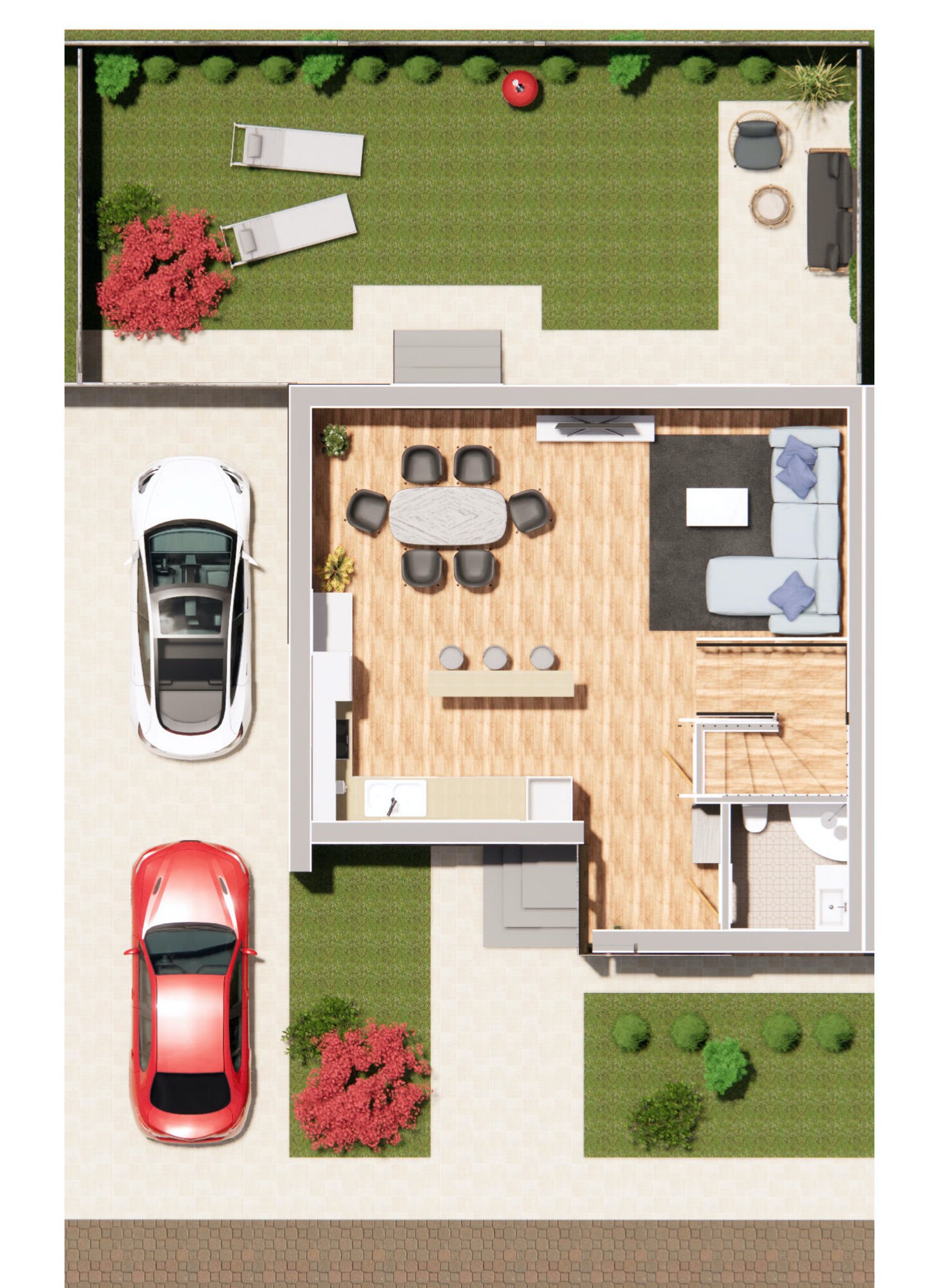
An important benefit is that in most cases, for a home bought off-plan, you can choose your interior finishes as you wish, together with the developer, within an agreed budget. Your home will look exactly the way you want, with minimal effort on your part. Moreover, in exceptional cases you can also discuss the layout with the developer, who may agree to certain changes to the future home.
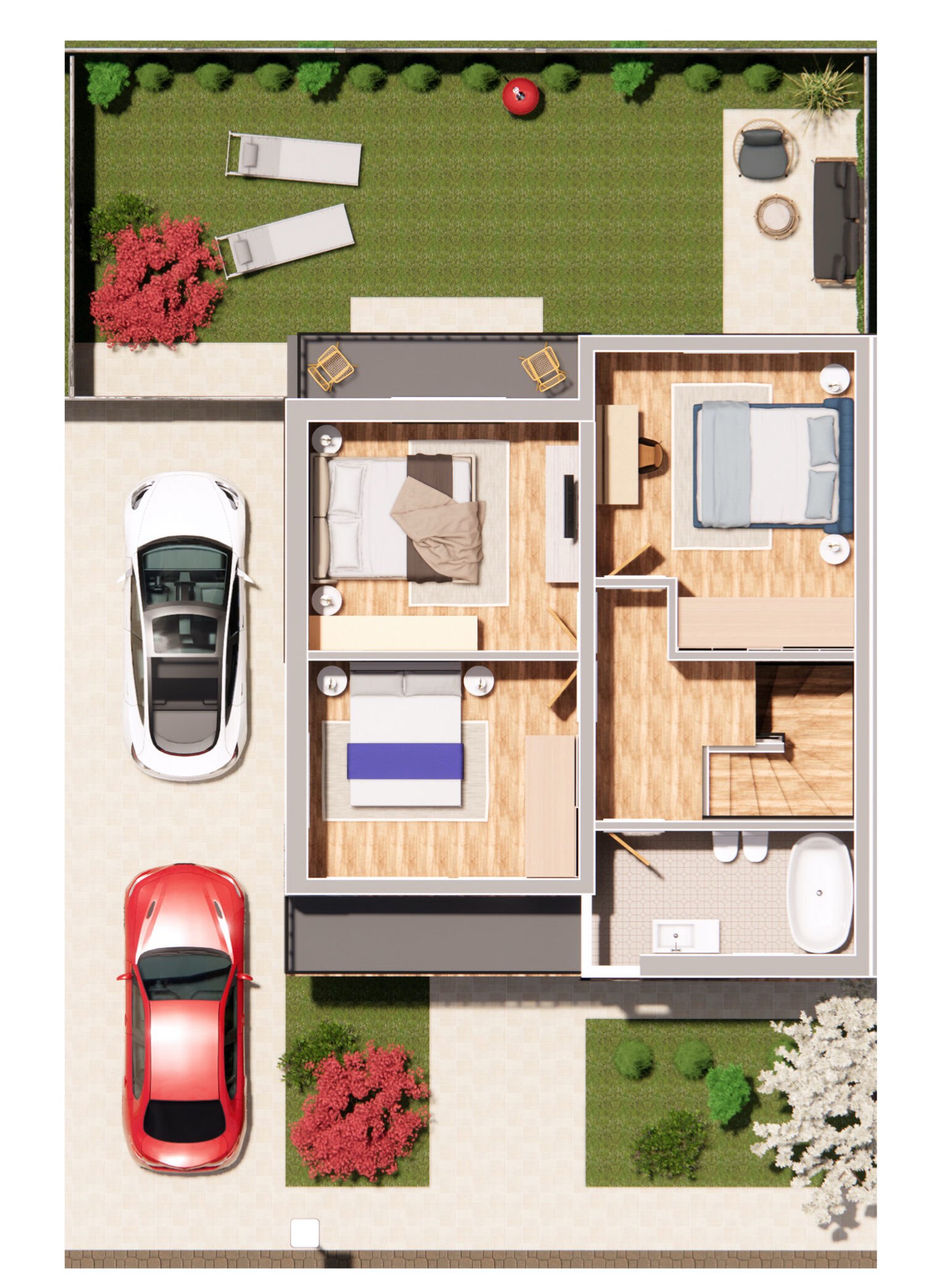
How do you know you are making the right decision on price? Simple. It is enough to do a little research and spend a few moments finding out the average price of existing homes in the area where the project will be built. If the price you pay is below that average, you can carry on with the purchase calmly, knowing the developer is a fair one. Of course, do not forget to take into account the finishes proposed for the project, because you cannot compare the price of an ordinary villa with that of a premium villa.
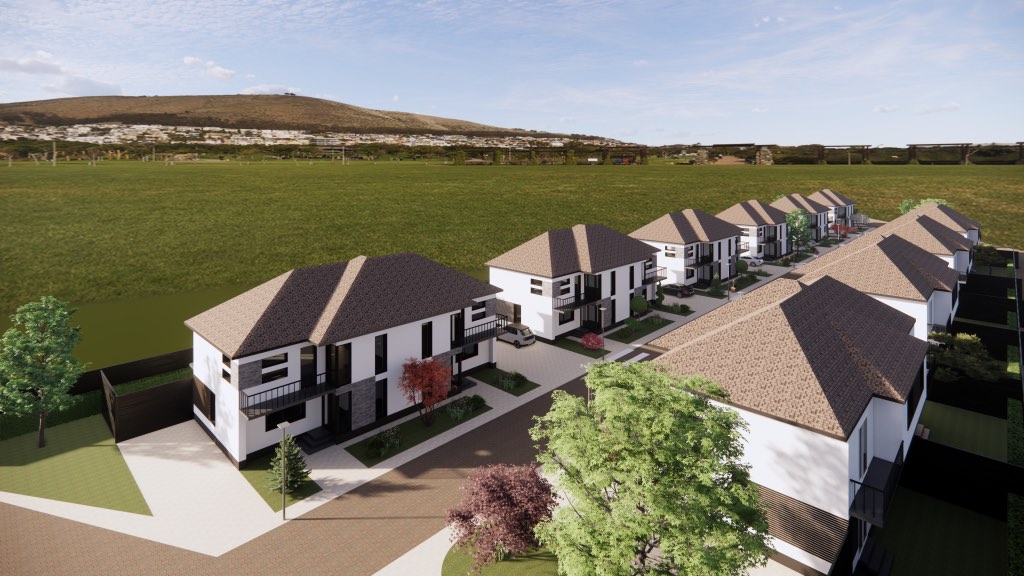
What should you watch out for? The most important thing is the contract you sign with the developer. The contract is your main reference document in the event of any disagreements. In any case, we suggest finding out as much as you can about the developer before buying, both online and from property professionals, or even by visiting other projects it has completed.
In addition, you should know that even at this stage you can ask the developer for certain documents that give you extra peace of mind, such as the building permit.
What are the steps to buy a property like this?
1. Reservation – some developers may ask you to sign a Reservation contract before signing the Preliminary Contract, to make sure you are serious about buying. The reservation also involves paying a modest sum relative to the total price, which can range between €1,000 and €5,000 depending on the value of the home.
2. Preliminary contract – this document is a more serious commitment between the two parties, seller and buyer, and at this point the discussion is far more advanced, with more complex legal implications. First of all, this contract is signed in the presence of a notary. The seller undertakes that the property in question will be sold to you, and you undertake to buy it once all the conditions of the preliminary contract are met. This contract is not mandatory either, but it comes as an extra guarantee for you regarding the contractual clauses and a fixed price, regardless of fluctuations in the property market.
3. The down payment – one of the points set out in the preliminary contract is the amount required as a down payment, as well as the deadline for paying it. As a rule, it is a percentage of the property's value, payable within 3-5 days of signing the preliminary contract. It is interesting to know that in some cases developers accept the down payment in instalments as the project progresses (for example: 10% on signing the preliminary contract, 10% when the foundation is poured, 10% when the building reaches the red-brick (shell) stage, and so on). So before agreeing the terms of the preliminary contract regarding the down payment, discuss every point of interest with the project developer.
Now that you know all these details, we hope you will choose your future home more easily. The benefits are great, and the risks relatively small by comparison.
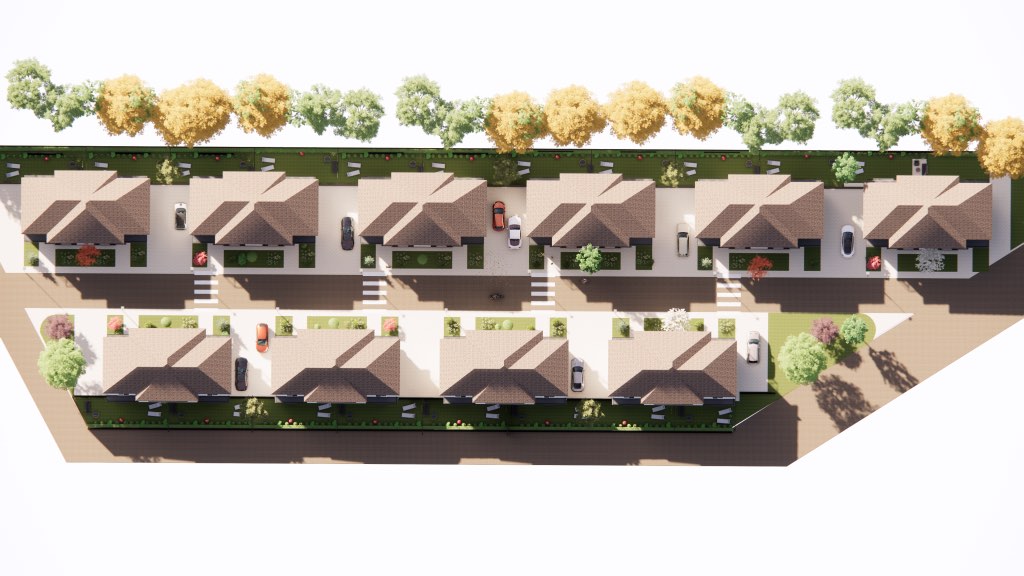
LA4 is a new project of duplex houses in Otopeni, available in our portfolio right now, at the off-plan stage. The developer's reliability is shown by its latest projects, LA1, LA2 and LA3, which it has successfully completed to a high standard. We invite you to look here for more details.