6 min
Every project is about people and for people. Interview with Bogdan Burciu, interior designer
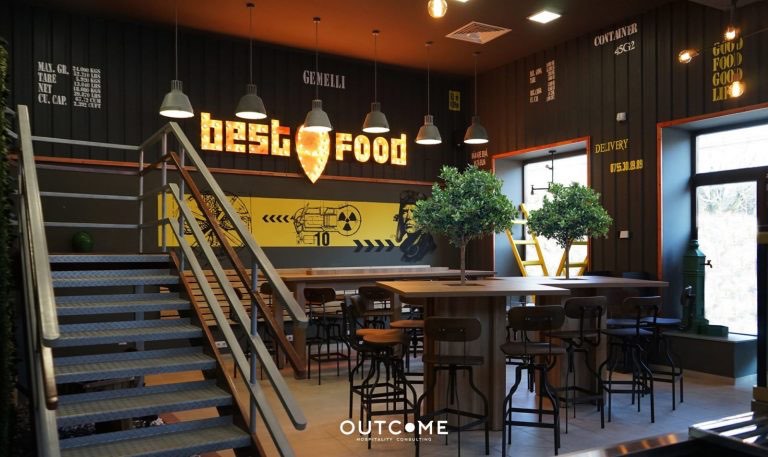
Today we meet in a different context, in a conversation full of inspiration and curiosity that we had the chance to have with Bogdan Burciu, interior designer. We like people with stories, and as you read this conversation, you will discover many interesting things Bogdan Burciu shared with us.
Tell us a few things about yourself: where did you start, how long have you been practising in this field, and what keeps you fascinated?
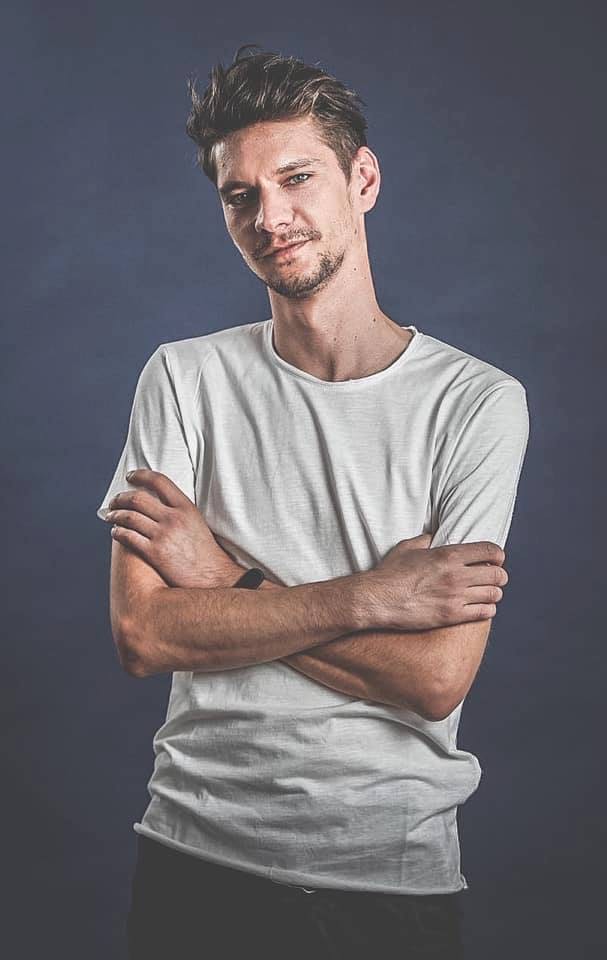
My name is Bogdan Burciu, I am 31 years old and I graduated from the Cambridge School of Art in the UK, in Interior Design.
I chose this field because I wasn't talented or prepared enough to pursue fine art, and at the same time the maths you meet in architecture was not my friend. Interior design gives me the chance to build a bridge between the two.
I have been doing this for almost 10 years without a break, but I have periods when I turn my attention to other fields too, such as marketing, branding and psychology, and sometimes I even find myself in bars, kitchens and waiting tables. All of this is so that I understand exactly how these areas function and can carry out projects in them as well as possible.
I am fascinated by this field mainly because it is such a real way for me to create environments in which people feel better. I believe that when the people around me feel better, they become far more creative, and in that way their creations bring them happiness. I like to see a happy world.
How do you define your style in interior design? Or do you have your own aesthetic?
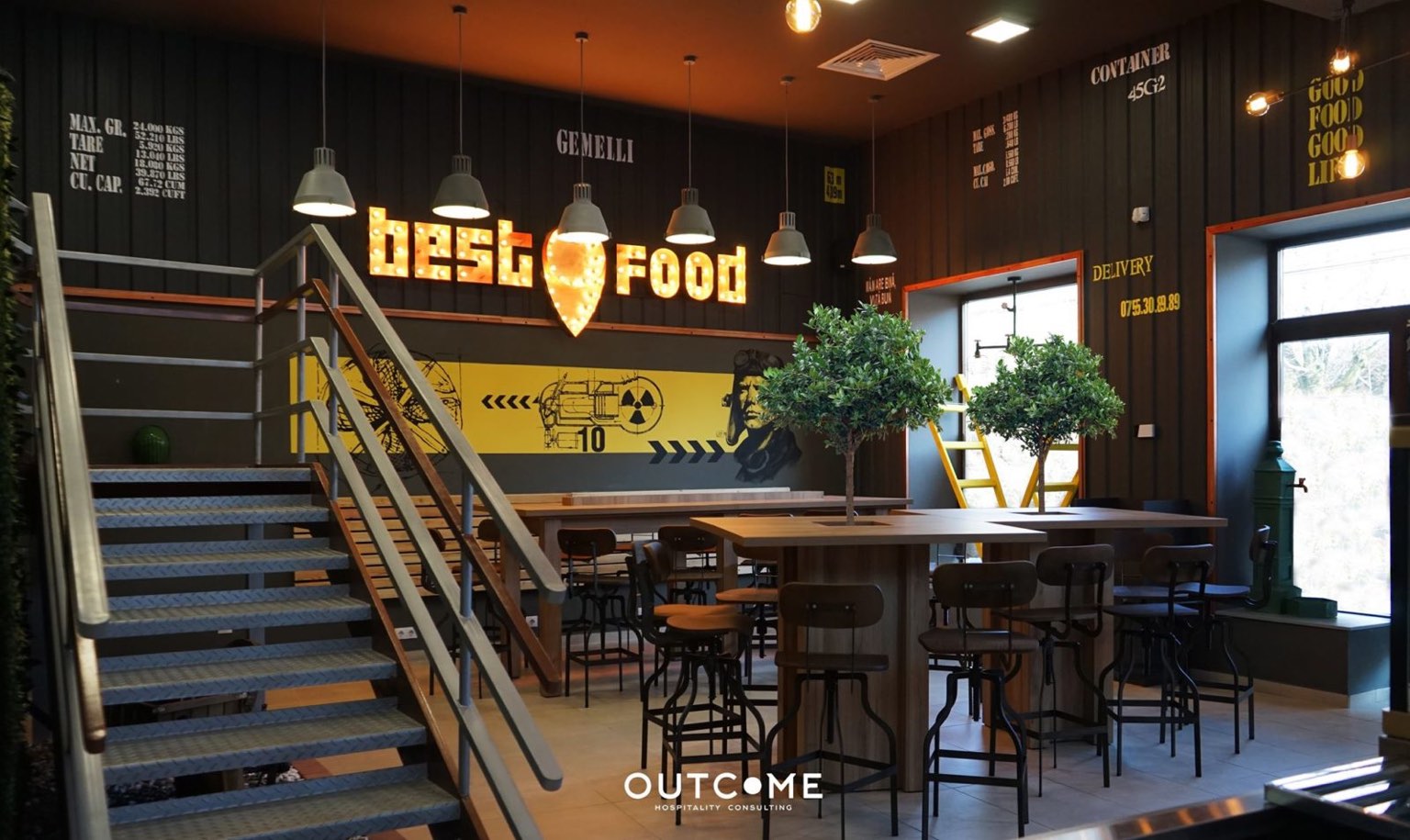
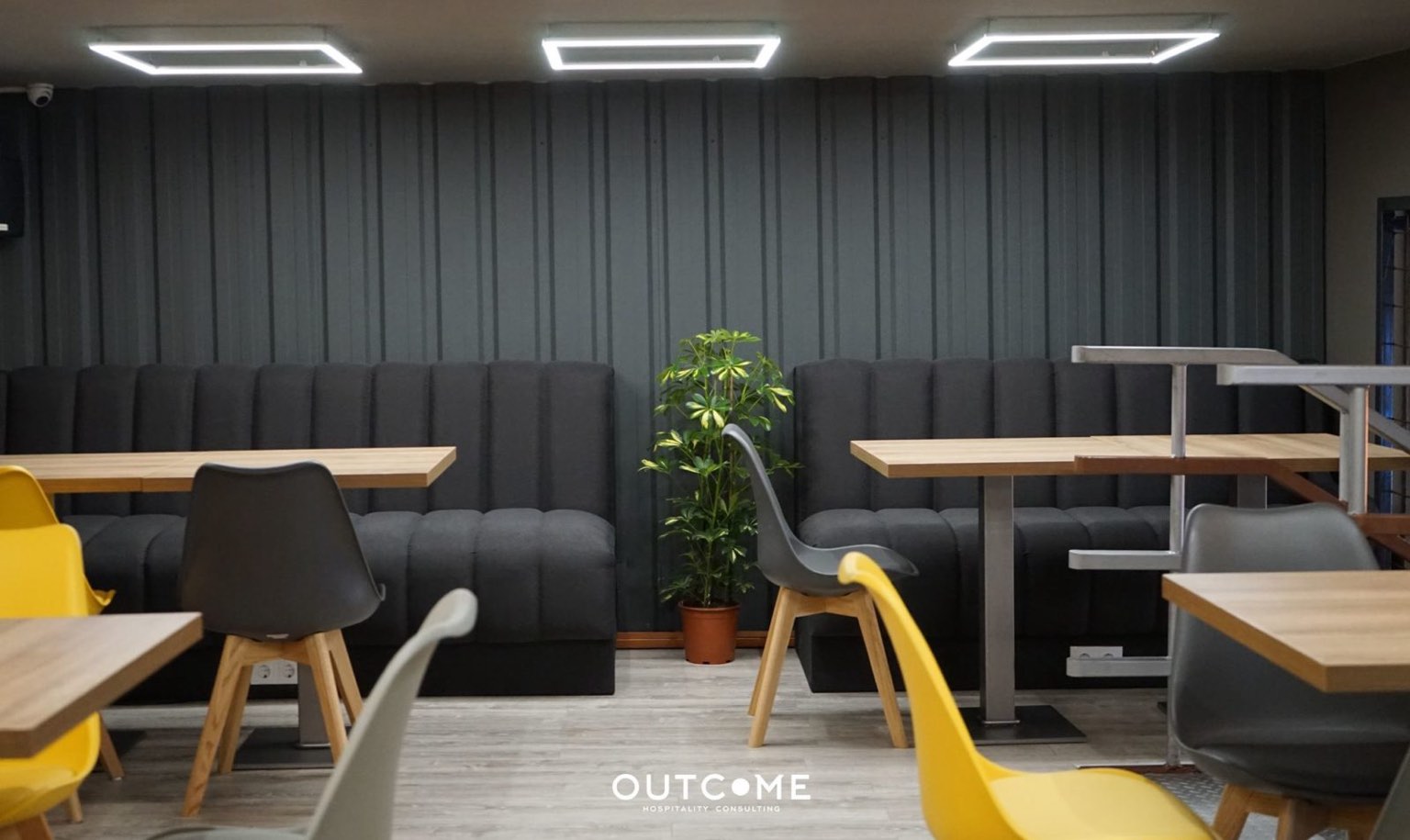
Before getting to the aesthetic side, I consider functionality the main element in design. The second extremely important element is the sustainability and ergonomics of the elements that make up the space. Then come the light, the materials used and where they come from, and only later the aesthetics. By the time I get to aesthetics, the filters applied have narrowed the style options considerably, so in my case it becomes minimalist with an industrial tint. Looking at past projects, they are easily recognisable as bearing my signature.
What inspires you?
People! Every project is about people and for people! In both residential and commercial projects, it is about the needs of the people who will spend time in that space. As the planet evolves, people's needs change constantly, so I don't think this source of inspiration can ever run dry.
How do you see things at the moment in interior design, and in which direction do you think it will go?
At the moment, it seems to me that interior design and designers in general fall into two categories: those who waste resources without paying attention to clients' needs, but rather to the portfolio those projects generate for commercial purposes, and those who dedicate themselves exclusively to efficiency and limiting the resources used in the process, and who in the end manage to produce unique interiors with plenty of personality.
I believe the world of interior design, and not only that, will have to turn its attention much more towards saving as many resources as possible, both in the process of creating and building and in the long term, for the benefit of all of us.
How important is it to follow trends when you furnish your home?
First of all, it is not advisable to design your home yourself if you are not in the field, just as it is not advisable to perform an operation on yourself. If you do choose to, you will fall into the trap of those who sell you trends at inflated prices. That risk also exists if you go with a trend-driven designer.
These trends are, as in any other field, a commercial factor that people should take advantage of only if the choice is an investment in a professional calling card: in the case of serviced apartments, offices, the Horeca sector and so on.
Choosing a designer who listens to your wishes and understands your needs should be the top priority, not trends that change from year to year.
If someone is at the start of a home design project, what is the best advice you can offer from experience?
To plan their budget very carefully! It needs to be set clearly from the start for each phase: installations, finishes, furniture, and then accessories and decorations.
What I have noticed is a rush of speed and enthusiasm in the first part of the project, in most cases. Then, slowly, without a clearly set budget, things start to get complicated towards the end.
The budget is used up, and the final details, which are the finishing accents and a very important part of any interior, may not appear at all or, worse, may change the look completely, because clients are focused on finishing.
Can you tell us about a project close to your heart that you have worked on? Perhaps one with a story behind it.
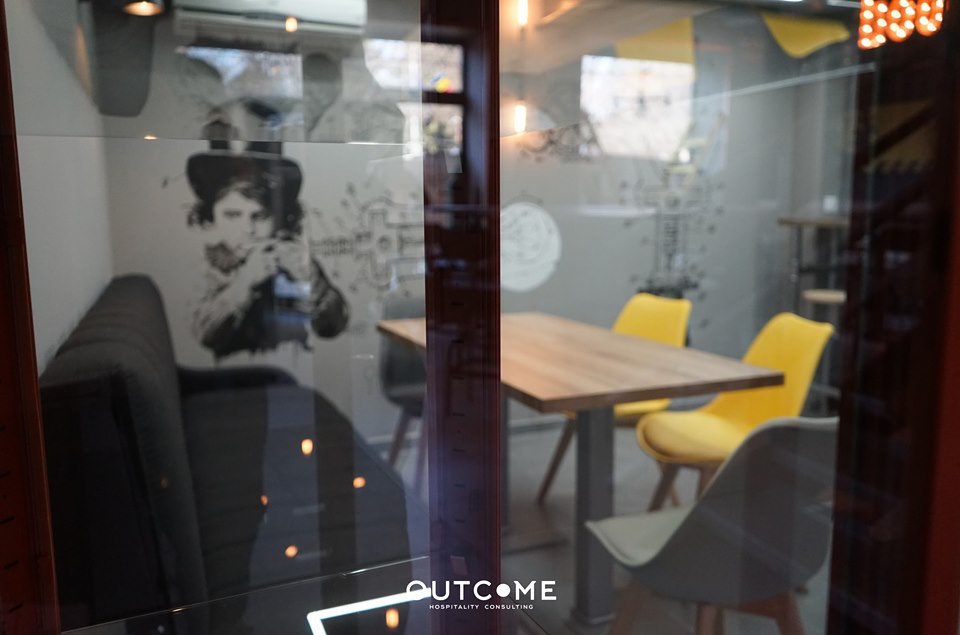
My dearest project is my laboratory. It is the place where I test functionality, furniture and light, set up my meetings, drink my coffee, interact with the people around me and feel inspired. The café I run in the time I am not designing is my passion project. The story behind it is a perfect reflection of my personal style. It represents me as an artist more than any other project. I have had the chance to meet a lot of artists there, and I now work with them on other projects. A very large share of my design clients are there almost daily, and my current and future partners know where to find me, and at the same time the rest of the city can enjoy a more different kind of place.
How do you know you have chosen the right interior designer for your home?
You can't know that until the end. The right designer is the one who sticks as closely as possible to the budget you have, creates the project for the client and not for the company's portfolio, and stays in close contact throughout the collaboration. There are a great many so-called designers in Romania with a fairly clear goal: income from every side, whether design fees, supplier commissions, builder commissions and so on. That way, the end client wakes up with a fashionable interior that is not comfortable, doesn't meet the family's needs and leaves them with an empty wallet.
There is also a generation of very creative designers who want their art to sound an alarm about the way we exploit resources, and who treat each project as their own, paying close attention to the real needs of those who have entrusted their home to them.
Interior design keeps us curious and fascinated by everything it involves, and when we want to discover more, we turn to these people in the field. You will meet Bogdan Burciu again in the projects we carry out at Click4Home, and we thank him warmly for sharing his vision with us.