Thank you for accepting our invitation, Cristian. Please tell us how you came to choose this beautiful profession and how you feel with every new project?
It was pure chance. In 11th grade I began preparing for the Faculty of Architecture, but I felt progress was rather slow. There were things I couldn't absorb in a short time, so I decided to stay home for a year to prepare better. My passion for landscaping, combined with my love of nature, led me to the wonderful field of landscape design.
How much, and how often, do Romanians turn to a landscape designer?
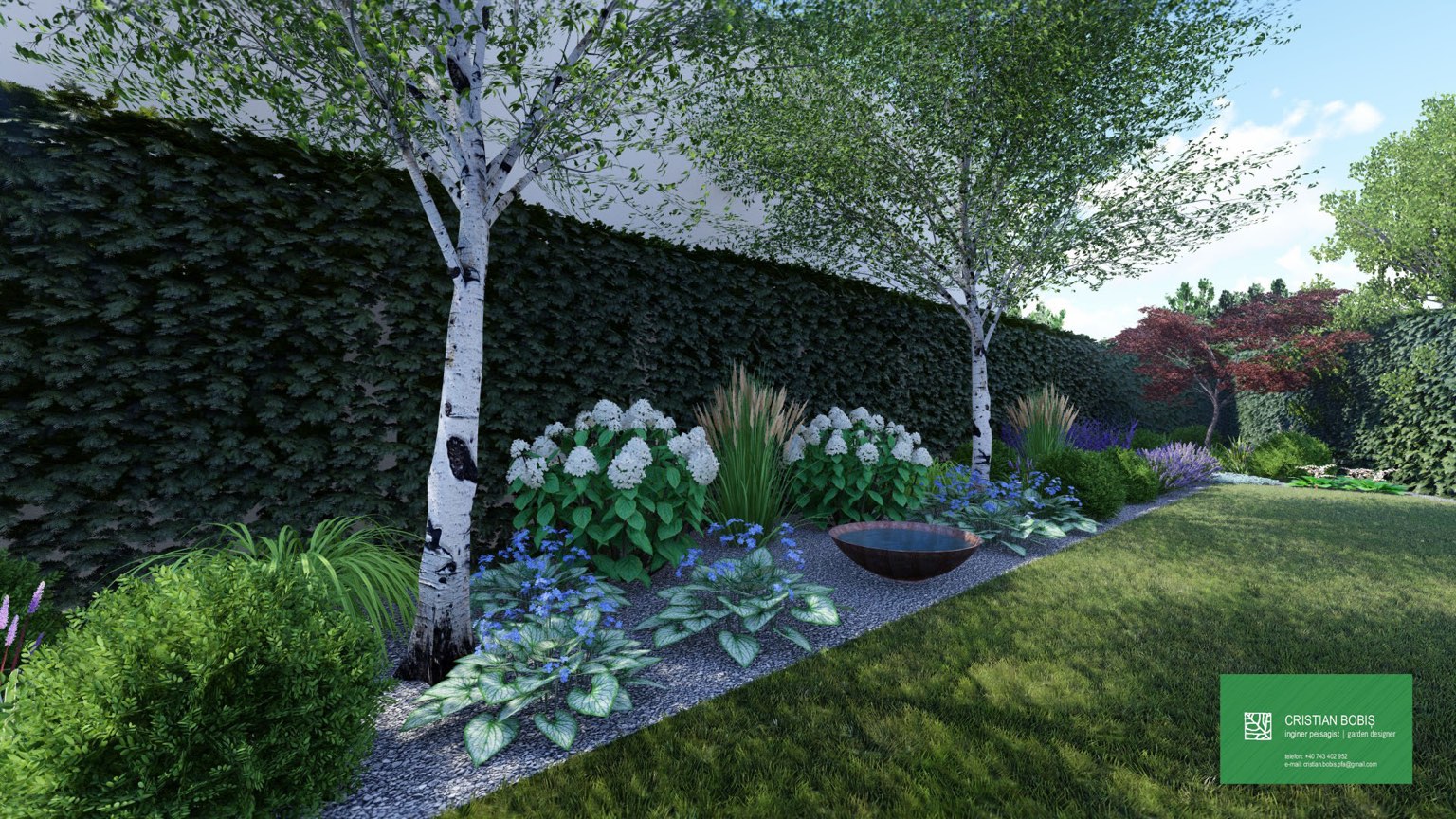
I see growing interest in the services of a landscape expert in Romania too. This growth has been especially strong during and after the pandemic. Spending longer periods at home, people began to realise the importance of a productive garden, an oasis for relaxation, a healthy, clean lawn, flowers and hedges.
When do you think is the right time of year to ask a landscape designer for their opinion?
The best time is between November and February. It is a season when the construction sector is quieter and landscape designers can bring out the very best of a garden. It is advisable to set aside a few weeks before the project starts to agree the client's budget, present the virtual design proposal and sign the contracts.
What are the main challenges of this profession? What are the interactions and rewards a landscape designer experiences?
You meet a lot of scepticism from some clients, so another essential element is clear communication, followed by the designer's ability to listen to and analyse all the needs, matched by the trust placed in them.
What matters is the final result of a project, when you manage to create a yard that meets the clients' needs, a yard that works for them and brings them the peace and harmony they want.
What should people know when they want to landscape their yard?
It is very good for people to do their research online, in magazines or on blogs, but they should also know that many images are staged creations or are not suitable for every area. Different plants grow and thrive only in certain soil, climate and other conditions.
Another suggestion is that when they turn to a landscape designer, they should tell them their needs and expectations for the outdoor area. For example, whether they need a storage area, a barbecue, a pool, space for animals, and a set budget, so these criteria can be taken into account in the design proposals.
Many people are looking for fast-growing plants and trees – what would you recommend?
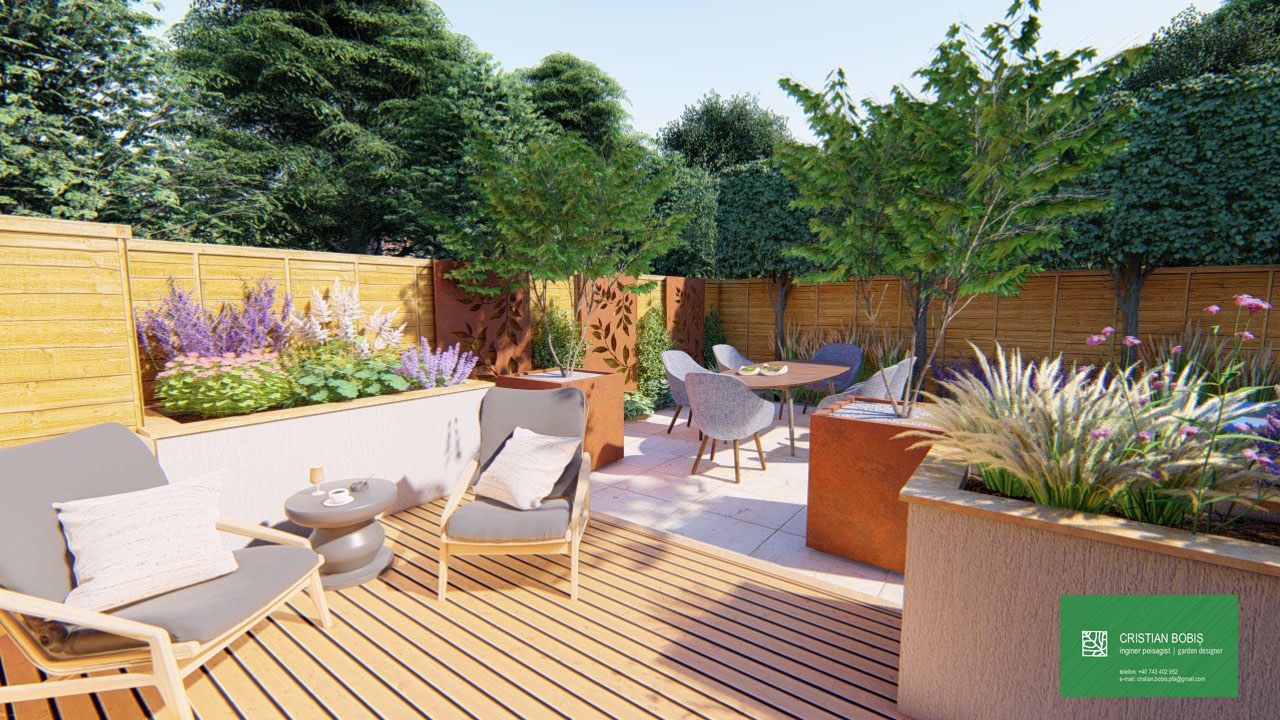
It is somewhat of a myth. Everyone knows the tree called Paulownia, but it is a species suited to parks and open spaces. I would recommend trees with relatively fast growth: maple, birch and willow – the latter especially around a lake or near an area with plenty of water. Tulip tree, Euro-American poplar – it grows tall and can be used as a screen against dust, and the nice thing is that it doesn't produce fluff like other poplars; cypress is recommended as a hedge.
The species listed above are a few examples that suit our region.
What are the trends in 2021 for outdoor spaces?
Landscaping trends in 2021 lean heavily towards the word "eco" or "eco-conscious", meaning you try to include native plant species, or ones as close to them as possible, in the design. I recommend that garden owners be open to including perennials in the garden. This attracts more beneficial wildlife to the yard and creates more colour and diversity.
Which indoor plants do you recommend, and why?
The most popular plants I recommend are Dracaena, Calathea (the prayer plant), the Lady Palm and the Umbrella Palm. These are only a few examples. I recommend consulting a garden expert at a nursery that also supplies indoor plants, or a landscape designer who can offer solutions based on the average light or temperature of the interior you want to furnish.
Tell us a secret of your art that you apply to most projects
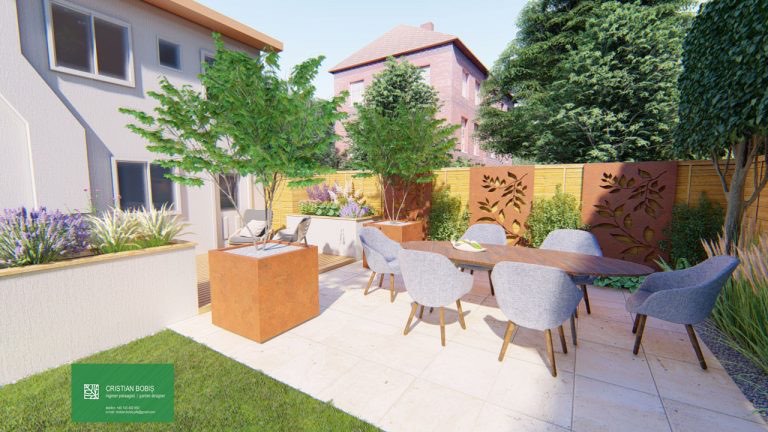
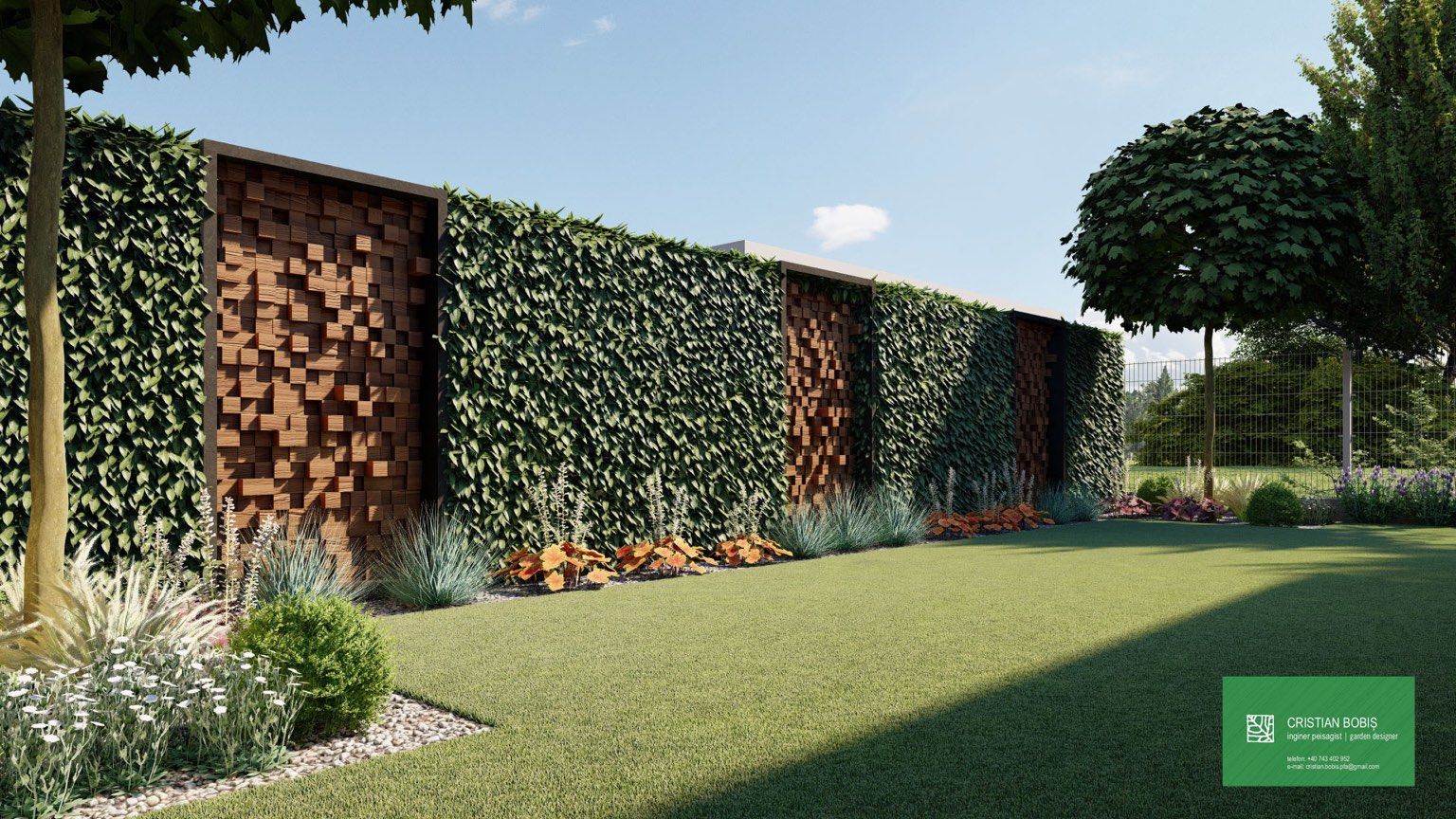
I don't have one particular secret. I try to create a pleasant ambience through repetition and balance. I emphasise alternation between plants, meaning I include plants with all-season interest and plants that vary with the season. You can also include hardscaping elements, meaning small built features in the garden, for a stronger visual and aesthetic impact.
Is the Romanian market maturing in this field? How in demand are young landscape designers?
Even if quite slowly, a maturing can be felt. Access to the internet and external resources has had a major impact on the public. The number of landscape designers is growing, and the range of hardscape materials and plant material on the market is unlimited. A little creativity, know-how and out-of-the-box thinking is needed for more and more yards in Romania to look good.
How do you think this field will evolve in terms of the needs to be covered, given that more and more families are moving from apartments to houses?
Families moving into houses will turn to specialised companies, both for landscaping and for maintenance. A beautiful yard also means responsibility and constant work, but the satisfaction is just as great.